Health and Safety Policy for Cleaners SW11
 Health and safety is central to every cleaning task, from routine domestic work to larger commercial contracts. This policy sets out the standards expected from cleaners SW11 and provides a clear framework for working safely, protecting clients, and reducing avoidable risks. It applies to all cleaning activities and to any situation where cleaning staff may be exposed to hazards such as chemicals, slips, sharps, electrical equipment, or manual handling.
The purpose of this policy is to encourage safe working habits, support consistent performance, and make sure each cleaner understands their responsibilities. Every member of staff should work with care, follow site-specific instructions, and pause any task if they believe it cannot be completed safely. Safety is a shared responsibility, and it starts with good preparation, sensible decision-making, and clear communication.
 This document also supports a professional approach to service delivery. By maintaining safe practices, cleaning teams in SW11 help protect themselves, building occupants, and the general public. A safe workplace is not only a legal and operational requirement; it is an essential part of reliable and high-quality cleaning.
General Responsibilities
All cleaners must take reasonable care of their own health and safety and that of others who may be affected by their actions. This includes using equipment properly, wearing suitable personal protective equipment where required, and reporting defects, hazards, accidents, or near misses without delay. Supervisors should ensure that workers are suitably trained, informed about risks, and able to complete duties without unnecessary pressure.
Risk assessment must be carried out before tasks begin, especially when work involves unfamiliar premises, hazardous substances, or difficult access areas. Cleaning operatives should be told about any known risks in advance and should confirm they understand any relevant instructions. Where a task changes unexpectedly, the cleaner should stop, reassess the situation, and seek guidance if needed.
 Managers should review arrangements regularly to ensure that standards remain effective. This is particularly important when methods, equipment, or staffing change. A good health and safety policy for cleaners SW11 depends on continuous awareness, sensible supervision, and a willingness to improve controls when risks are identified.
Safe Working Practices
Cleaning staff should keep work areas tidy and avoid leaving equipment, cables, or materials where they could create a trip hazard. Floors being cleaned should be marked or isolated as appropriate, and spillages should be dealt with promptly. When using ladders or step-stools, cleaners must ensure the equipment is suitable, stable, and used only for light, short-duration tasks. Overreaching and unsafe climbing should be avoided.
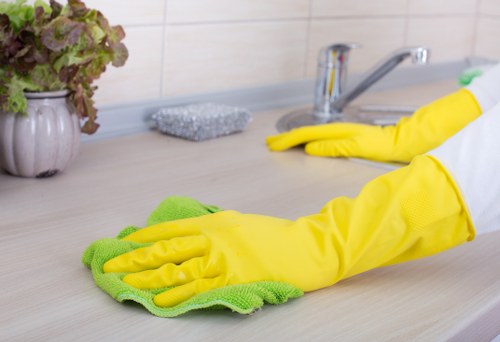
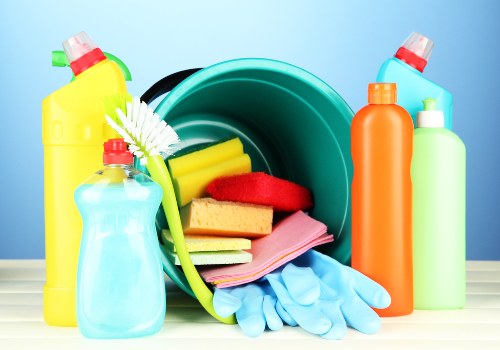
Chemical safety is a major concern in cleaning operations. Products must be used according to instructions, stored securely, and never mixed unless specifically permitted. Containers should be clearly labelled, and decanted materials should remain identifiable. Gloves, eye protection, or other protective items should be used when necessary, and hands should be washed after handling cleaning agents. If a product causes irritation or a reaction, the task should stop immediately and the issue should be reported.
Manual handling should also be controlled carefully. Where possible, cleaners should use trolleys, mechanical aids, or smaller loads to reduce strain. Items should be lifted using correct technique, and awkward twisting or repeated heavy lifting should be avoided. If a load feels unsafe, staff should ask for assistance rather than continuing alone. This practical approach helps protect workers from avoidable injury.
Equipment, Training, and Incident Reporting
Cleaning equipment must be maintained in a safe condition and checked before use. Faulty machines, damaged cables, broken handles, or missing guards should be taken out of service and reported at once. Electrical equipment should only be used in line with manufacturer guidance, and cleaners should not attempt repairs unless they are trained and authorised to do so. Good maintenance reduces downtime and lowers the chance of accidents.
Training is essential for every cleaner. Staff should receive instruction on safe methods, hazard awareness, emergency procedures, and the correct use of cleaning materials and tools. Refresher training may be needed when duties change or when incidents suggest that a new approach is required. Competence should be checked through observation, supervision, and regular review, not assumed.
 All accidents, injuries, unsafe conditions, and near misses must be reported as soon as possible so that action can be taken. Timely reporting allows lessons to be learned and helps prevent similar events from happening again. Records should be kept accurately and reviewed to identify patterns, recurring risks, or the need for additional control measures.
Emergency Response and Welfare
Emergency procedures should be known by all cleaners before work starts. This includes what to do in the event of fire, injury, chemical exposure, or an evacuation. Staff must follow site instructions, leave hazardous areas quickly when required, and never place themselves at further risk in an attempt to continue cleaning. If first aid is needed, the incident should be reported immediately and emergency services contacted where appropriate.
Welfare is also part of good health and safety management. Cleaners should be given reasonable breaks, access to drinking water where available, and clear information about any work that may be physically demanding. Fatigue can increase the chance of mistakes, so work planning should take account of workload, shift length, and the level of effort involved. Safe performance depends on workers being fit for duty.
 The policy is intended to support a safe, respectful, and professional working environment for all SW11 cleaners. By following these requirements, cleaning teams can reduce risk, maintain consistent standards, and complete work with confidence. Health and safety must remain a routine part of every task, every day.